The Best Startup Investor Pitch Deck & How to Present to Angels & Venture Capitalist
This is a useful guide and template for creating effective investor presentations. It combines crowd-sourced input from top industry experts and the author’s personal experience. It also shares examples, practical design tips and strategies for addressing investor concerns.
The Best Startup Investor Pitch Deck & How to Present to Angels & Venture CapitalistThis guide explains the Brand Pyramid, a simple model for building strong brands. It outlines five stages customers move through to develop loyalty: Presence, Relevance, Performance, Advantage, and Bonding. The model highlights the importance of understanding customer perceptions and creating positive brand experiences.
The Brand PyramidThe Circular Capability Toolkit for Social Enterprise
The Circular Capability Toolkit is a practical guide for social enterprises wanting to adopt more circular economy practices in how they operate and make decisions. Built by practitioners, it offers ready-to-use tools covering procurement, waste, and asset management. It is useful for any social enterprise at any stage of their sustainability journey.
The Circular Capability Toolkit for Social Enterprise'The Collective Impact Toolkit', Tamarack Institute
The Collective Impact Toolkit by the Tamarack Institute provides practical resources to help communities and organisations tackle complex social challenges through collaboration. It offers frameworks, tools, and case studies to support systemic change.
'The Collective Impact Toolkit', Tamarack Institute'The Community Well', Benefolk Foundation
The Community Well, also known as the Social Sector Wellbeing and Resilience Hub, is an online resource designed to support charities, not-for-profits, and social enterprises. Created to address stress and burnout in the social sector, it offers curated tools, practical strategies, and advocacy for systemic change, fostering sustainable mental health and resilience practices.
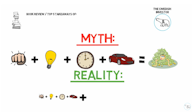
'The Community Well', Benefolk Foundation Systems change offers a way to address complex social issues like poverty and homelessness by moving beyond traditional, linear problem-solving. This blog contrasts ‘clock’ problems, which are solvable with structured solutions, with ‘cloud’ problems, requiring ongoing adaptations. It emphasises the need to shift from quick fixes to fostering resilience, healing relationships, and supporting long-term system health to address deep-rooted challenges effectively.
The Complexity SpectrumThe Cynefin Framework - A Leader's Framework for Decision Making and Action
The Cynefin Framework guides leaders in matching actions to context by distinguishing different domains. It enables sense-making, helping leaders identify true complexity and respond effectively to challenges.
The Cynefin Framework - A Leader's Framework for Decision Making and ActionNesta is an independent charity in the United Kingdom that supports new and better ways of solving problems. They created this toolkit to help people develop, adapt, or improve ideas that create positive impact. The toolkit includes 30 simple and practical tools that are easy to use and apply in real situations.
The DIY ToolkitThe Field Guide to Human-Centred Design
IDEO is a global design agency that focuses on designing with people in mind. This Field Guide to Human-Centred Design explains how IDEO approaches design for social impact. It includes 57 easy-to-use design methods for beginners and experienced designers, along with real-world examples.
The Field Guide to Human-Centred DesignThe Funding Centre is a portal providing information on grants and fundraising in Australia. It is an initiative of Our Community, a social enterprise that provides advice, tools and training for Australia’s community sector, as well as services for business and government.
The Funding CentreThe future of management is teal
Frederic Laloux's article explores Teal organisations, a progressive management model emphasising self-management, wholeness, and purpose. It outlines organisational paradigms, highlights successful examples, and offers insights for social enterprises to balance purpose and effectiveness, even with partial adoption.
The future of management is tealThe Governance of Social Enterprises: Managing your Organisation for Success
This guidebook, made by and for social entrepreneurs, covers building effective boards to balance social mission with financial goals. It includes advice on governance structures, board composition, recruitment, roles, and managing conflicts, highlighting how governance needs evolve as social enterprises grow.
The Governance of Social Enterprises: Managing your Organisation for SuccessThe Illustrated Guide to Participatory City
This guide introduces the Participatory City model, designed to create vibrant, inclusive neighbourhoods through active resident engagement in practical projects. It offers principles, methods, and insights for addressing social challenges and building community resilience, serving as a valuable resource for policymakers, community leaders, and organisations.
The Illustrated Guide to Participatory CityThe Investment We Couldn't Afford to Make
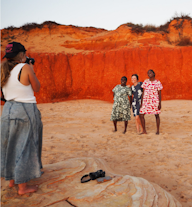
This article reflects on a peer learning project that could not go ahead, for First Nations founder-led businesses approaching $1 million turnover. It finds that time, not interest, was the barrier, and explores what this reveals about founder overload.
The Investment We Couldn't Afford to MakeIn this video, Erik Abrahmsson shares his key takeaways from the Eric Ries book, The Lean Startup. He distils them into five key principles. Erik suggests that by following this "build-measure-learn" cycle, startups can reduce waste, improve efficiency, and increase their chances of creating products that truly meet customer needs.
The Lean Startup SummaryThe Nundah Community Enterprises Cooperative (NCEC) Evaluation Report and Research Project
This report explores the work and impact of Nundah Community Enterprises Cooperative. It shows how a community-owned enterprise can create jobs, support inclusion, and build local economic participation. The resource highlights the value of co-operative models for strengthening communities and creating meaningful social impact.
The Nundah Community Enterprises Cooperative (NCEC) Evaluation Report and Research ProjectThe Ones Who Walk Away From Omelas
Ursula K. LeGuin’s The Ones Who Walk Away from Omelas explores ethical dilemmas, moral boundaries, and collective responsibility. This powerful story serves as a lens for leaders facing difficult choices between systemic stability and moral courage, prompting reflection on individual rights, collective good, and principled action.
The Ones Who Walk Away From OmelasA Theory of Change explains how actions lead to change. It shows the link between goals, activities, and results. This short video uses a simple example to show how the tool can help you set clear goals and map the steps needed to reach them.
Theory of ChangeTheory of Change Step by Step | Why Nonprofits Need This Framework
This video explains the Theory of Change, a tool that helps organisations plan and measure their social impact. It breaks down key parts of the model, including inputs, activities, outputs, outcomes, and impact. The video also shares practical tips for improving impact measurement and involving stakeholders in the process.
Theory of Change Step by Step | Why Nonprofits Need This FrameworkThe RegenNarration Podcast: Stories of Ecological Regeneration
The RegenNarration Podcast showcases inspiring stories of ecological regeneration and community resilience, featuring leaders in conservation, sustainable farming, and Indigenous land management. Through interviews with activists, scientists, and community leaders, the podcast explores innovative approaches to sustainability and regenerative practices. It offers practical insights and resources, empowering individuals and communities to contribute to environmental regeneration and build a more resilient future.
The RegenNarration Podcast: Stories of Ecological RegenerationThis report from Supply Nation looks at the growth of First Nations businesses in Australia. It shows how these businesses are creating jobs, building strong communities, and contributing to the economy. The report also highlights the opportunities and challenges for future growth.
The Sleeping Giant RisesThe Social Entrepreneur's Playbook
This is a paid resource. Written by Ian C. MacMillan and James D. Thompson and published in 2013, the book provides clear, step-by-step guidance on how to start and grow a successful social enterprise, based on the authors’ experience in entrepreneurship and social innovation.
The Social Entrepreneur's PlaybookThe State of Social Enterprise
This report from the World Economic Forum’s Global Alliance for Social Entrepreneurship provides an overview of the social enterprise sector worldwide. It highlights key trends, challenges, and opportunities, and calls for stronger ecosystems, supportive policy, and increased investment to help social enterprises grow and scale their impact.
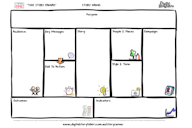
The State of Social EnterpriseDiscover the Story Canvas—a practical tool to craft impactful, strategic stories tailored to your needs. Designed by Digital Storytellers, this downloadable canvas simplifies storytelling for nonprofits, social enterprises, and impact organisations. With step-by-step guidance and resources, it helps you create engaging stories that inspire action and advance your cause effectively.
The Story CanvasThe Water-of Systems Change
This framework highlights how to create sustainable social impact by addressing systemic factors that maintain social and environmental challenges. It introduces three levels of systems change (structural, relational, and transformative) emphasising the importance of shifting policies, power dynamics, and deep-seated beliefs. By engaging at all levels, organisations can drive meaningful, lasting change that is resilient, inclusive, and adaptable.
The Water-of Systems ChangeThe Weavers: The Critical Role of Place-Based Convenors for a Regenerative Future
This video, produced by Regen Labs, introduces weavers: the people and small organisations who quietly coordinate community-led economic development. It argues their work is often invisible and underfunded, and calls for weavers to be recognised and properly resourced in long-term economic transitions.
The Weavers: The Critical Role of Place-Based Convenors for a Regenerative FutureThink Neurodivergence: Autistic Pride and Entrepreneurship
Just Gold held an interactive webinar to share insights and lived experiences from autistic social entrepreneurs and encourage the social enterprise sector to create inclusive, affirming environments for neurodiverse thinking and practice.
Think Neurodivergence: Autistic Pride and EntrepreneurshipThree Horizons Framework - a quick introduction
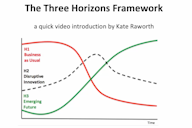
The ‘Three Horizons Framework’, developed by Bill Sharpe, is a strategic tool for managing long-term transformation. It maps three phases of change—current systems (Horizon 1), visionary futures (Horizon 3), and the transition zone (Horizon 2)—helping organisations navigate innovation and address emerging challenges. Widely used in future thinking and strategic planning, the framework offers practical steps for bridging the present with transformative visions.
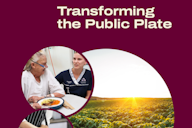
Three Horizons Framework - a quick introductionTransforming the Public Plate
This guide explains how organisations can use their food purchasing to create positive social and environmental impact. It shows how buying decisions can support local producers, fair work, and sustainability, helping organisations use their spending power to drive better outcomes.
Transforming the Public PlateTruth-telling in Social Enterprise: A Deep History
This resource is currently being developed. If you would like to be notified when it is published, please email team@understorey.org.au.
Truth-telling in Social Enterprise: A Deep HistoryTruth-Telling Resource Hub
This resource page from Reconciliation Australia shares learning materials about truth-telling in Australia. It includes guides, reports and videos that explain what truth-telling is and why it matters for reconciliation with First Nations peoples.
Truth-Telling Resource HubUnited Nations Declaration on the Rights of Indigenous Peoples
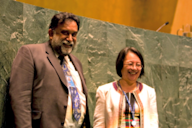
The United Nations Declaration on the Rights of Indigenous Peoples (UNDRIP) sets out the global standards for the rights, dignity and wellbeing of Indigenous Peoples. Adopted by the United Nations in 2007, it affirms Indigenous Peoples’ rights to culture, land, self-determination and participation in decision making. The Declaration guides governments, organisations and communities toward respectful and fair relationships.
United Nations Declaration on the Rights of Indigenous PeoplesUnlocking Catalytic Capital in Australia
This report, developed by GoodWolf Partners for the Paul Ramsay Foundation, examines the role catalytic capital could play in unlocking greater investment for social and environmental outcomes in Australia. It argues the country needs better matched capital, not just more of it, to close a growing impact investment gap.
Unlocking Catalytic Capital in Australia Unlocking Social Procurement Opportunities: Two-part workshop series | workshop 1
QSEC, ArcBlue and Gov Ready held an interactive webinar exploring what it means for social enterprises to be procurement ready. Drawing on experience across government and private sector procurement, the session shared practical strategies to help social enterprises position themselves effectively, communicate their value, and demonstrate capability.
Unlocking Social Procurement Opportunities: Two-part workshop series | workshop 1Unpacking the Social Economy
Co-operative Bonds held an informative webinar exploring how social enterprises and co-operatives contribute to the broader social and solidarity economy. The session unpacked global developments, local examples, and practical tools for embedding co-operative values into governance, community ownership, and sustainable business models.
Unpacking the Social EconomyUsing the Business Model Canvas for Social Enterprise Design
This booklet looks beyond the Business Model Canvas as a general tool. It explains how Ingrid Burkett, an Australian social entrepreneur, adapts the Canvas for social enterprises. The booklet guides you step by step on how to use the Canvas to suit social purpose work.
Using the Business Model Canvas for Social Enterprise DesignValue of Good Impact Measurement
Everyone agrees impact should be measured. Far fewer know where to start, what to claim, or whether it's worth the cost. Four South Australian social enterprise leaders talk through the messier side of building a measurement practice: the money, the doubt, the causation problems no one warns you about. Less proof-of-concept, more warts-and-all.
Value of Good Impact MeasurementThis report is a practical guide to impact measurement and management. It explains how enterprises can build strong impact strategies and shows that different approaches are needed at different stages of growth. Rather than using one model for everyone, it encourages flexible, stage-based impact practices.
Ventures at the HelmVoices on Work: Young People with Disability in Greater Melbourne
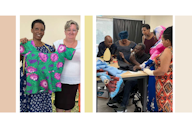
This report by SVA and CYDA explores the employment experiences of young people with disability in Greater Melbourne. It highlights barriers, workplace challenges, and opportunities for creating inclusive and meaningful employment pathways.
Voices on Work: Young People with Disability in Greater MelbourneWathaga: Measurement and Evaluation (M&E) platform
Wathaga is an online tool made for First Nations programs and organisations. It helps teams collect, store and understand data in a safe and respectful way. Wathaga is built to protect community ownership of data and support cultural values and ethical use.
Wathaga: Measurement and Evaluation (M&E) platformWEAVE: Regen Economy Systems Lab
This page, published by Regen Labs introduces the WEAVE Framework, a model for building inclusive, regenerative regional economies. It argues regional social enterprises are well placed to lead this shift, but need better funding, models and support systems to do so.
WEAVE: Regen Economy Systems LabWeaving Conditions for Prosperous and Regenerative Regional Economies
This resource is currently being developed. If you would like to be notified when it is published, please email team@understorey.org.au.
Weaving Conditions for Prosperous and Regenerative Regional Economies#Web3for2030: How can Web3 help achieve the Sustainable Development Goals
This UNDP report examines how Web3 technologies like blockchain and decentralised finance can drive social innovation and support the Sustainable Development Goals (SDGs). It provides an accessible overview of Web3, highlights its potential for systemic change in areas like finance and governance, and addresses key adoption challenges, including digital exclusion and environmental concerns.
#Web3for2030: How can Web3 help achieve the Sustainable Development GoalsThe "Wellbeing Matters Guide" offers insights from social enterprise leaders, particularly in regional, rural, and remote areas. It provides resources to support leaders in enhancing their wellbeing and effectiveness by sharing real-life experiences.
Wellbeing Matters GuideWhat does Truth-telling for Social Change Look Like?
BlakCast hosted a powerful webinar exploring the role of truth-telling in social change. In collaboration with John-Paul Janke, Joshua Creamer, and Stacey Thomas, the session examined how organisations can support healing, justice, and reconciliation by centring equity, community, and courageous conversations.
What does Truth-telling for Social Change Look Like?What is a social enterprise?
A social enterprise is a business that puts people and planet first. They trade like any other business but exist specifically to make the world a better place.
What is a social enterprise?What is Ethical Leadership and Why is it Important?
This blog introduces the concept of ethical leadership, where decisions prioritise integrity, societal impact, and the common good. It outlines six key principles—respect, accountability, service, honesty, justice, and community—that foster trust, equity, and collaboration in leadership practices.
What is Ethical Leadership and Why is it Important?‘What Is Psychological Safety?', McKinsey
Psychological safety is crucial for innovation, teamwork, and organisational success. This article highlights its role in fostering inclusive and high-performing cultures. It outlines leadership strategies to build trust, such as open dialogue, curiosity, and equitable participation. Learn how consultative, supportive, and challenging leadership styles enhance team resilience, creativity, and productivity, particularly in remote and hybrid work environments.
‘What Is Psychological Safety?', McKinseyWhat is Steward-Ownership? The 2 principles of Steward-ownership
This website explores steward-ownership, a business model that protects purpose and independence. It separates control from profit so decisions stay with people committed to the mission, while profits are reinvested or used to support long-term impact.
What is Steward-Ownership? The 2 principles of Steward-ownershipWhat Will It Take? Creating Better, More Sustainable Jobs for Young People
This report by Social Ventures Australia (SVA) and AEN, with analysis by PwC Consulting, examines barriers to youth employment in Australia. It explores employer challenges, systemic issues, and solutions to improve career pathways for young people, particularly those outside university pathways.
What Will It Take? Creating Better, More Sustainable Jobs for Young People


.png?w=192)
.png?w=192)
.png?w=192)
-9.png?w=192)

.png?w=192)
.png?w=192)
.png?w=192)
.png?w=192)
-1.png?w=192)
-1.png?w=192)
.png?w=192)
.png?w=192)

.png?w=192)
.png?w=192)




.png?w=192)
.png?w=192)
-1.png?w=192)
-7.png?w=192)

-1.png?w=192)
-12.png?w=192)
.png?w=192)